
Lawrenceville, GA (Metro Atlanta) · courier driver safety tips Metro Atlanta
Courier Driver Safety Tips for Metro Atlanta
Practical, localized courier safety guidance for HHA Courier Services drivers in Lawrenceville and the Metro Atlanta/Gwinnett County area covering road safety, vehicle readiness, severe weather, secure handling and scam avoidance.
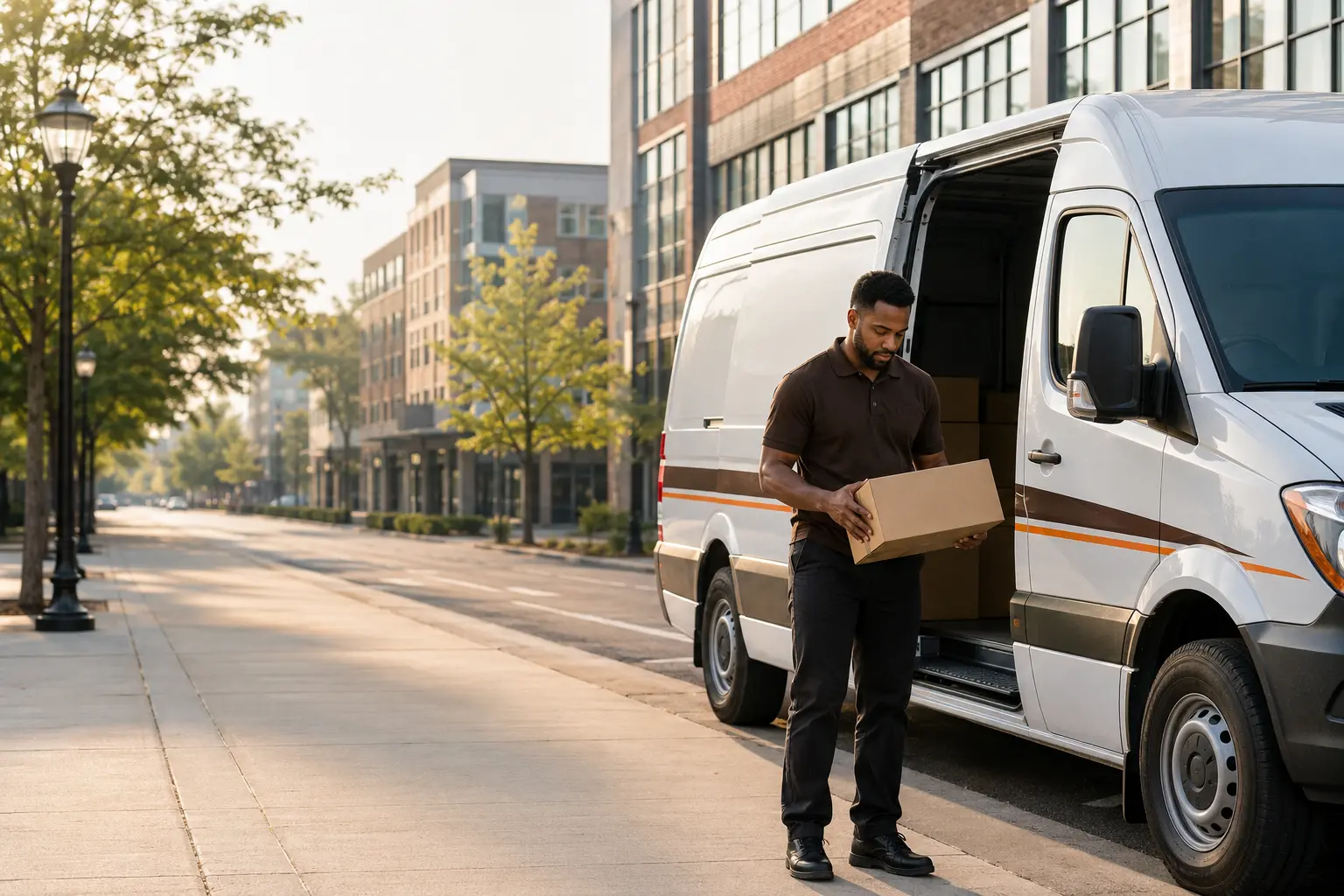
Courier driver safety tips for Metro Atlanta (overview)
HHA Courier Services drivers working in Lawrenceville, Gwinnett County and across Metro Atlanta face a mix of congested urban roads, suburban drop zones, and the region’s seasonal severe weather. This article collects practical, sources-backed safety practices focused on three priority areas for couriers: road behavior and situational awareness, vehicle readiness, and severe-weather & delivery-location safety.
Road safety and on-the-job driving practices
Maintain defensive driving habits: limit distractions, obey local speed limits, and plan routes to avoid peak congestion when possible. Federal and state resources emphasize employer and driver responsibility for roadway safety, including training, policies on distracted driving, and seat-belt use. For company-level programs, OSHA recommends written policies, training, and preventive maintenance schedules as part of a motor-vehicle safety program. (Sources listed below.)
Practical actions for Metro Atlanta routes
- Pre-plan routes with live traffic (use alternate routes through Duluth, Peachtree Corners, Norcross and other service cities to avoid I-285/I-85 chokepoints).
- Keep phone use hands-free and pull into a safe, legal parking spot before interacting with apps, customers, or dispatch.
- Allow extra time for trips during major events (stadiums, university commencements) and weekdays near the Perimeter.
- Report unsafe roadside conditions or near-miss incidents to your dispatcher and log them for company safety reviews.
Vehicle readiness: pre-shift checks and maintenance
Vehicle readiness directly affects safety and uptime. Follow a short pre-shift checklist each day and a scheduled preventive maintenance program. National guidance recommends checking tires, lights, fluid levels, battery, emergency kit, and basic brakes/steering before operating for the day.
Simple pre-shift checklist for courier vehicles
- Tire pressure and visible tread condition;
- Headlights, brake, turn, and hazard lights;
- Windshield and wipers; clear visibility and washer fluid;
- Secure cargo area and functioning locks; no loose items that could shift;
- Phone charger and a charged device, first-aid kit, flashlight, and jumper cables or roadside kit.
Use reputable maintenance reminders and log services to comply with employer policies and to reduce mechanical breakdowns on routes through Buford, Sugar Hill, Snellville and other service areas.
Severe weather delivery safety
Georgia’s hurricane season (June 1–November 30) and occasional winter storms mean couriers must evaluate weather risk before starting or continuing deliveries. Public emergency agencies recommend monitoring local alerts and deferring non-critical runs during life-safety threats.
When to delay or adjust runs
- Monitor National Weather Service, GEMA and Gwinnett County alerts for tornado, flood, or hurricane warnings;
- If roads are reported closed, flooded, or travel is unsafe in Duluth, Suwanee, Loganville or adjacent areas, contact dispatch and follow company recall or stand-down procedures;
- Secure temperature-sensitive packages if you must stage them; follow shipper and employer guidance for medical or refrigerated shipments (contact the shipper and your safety lead for official instructions).
Pickup and delivery safety & secure handling
Couriers encounter varied pickup locations — retail docks, medical facilities, residential neighborhoods — and should practice contact awareness and verification.
Delivery-location best practices
- Verify pickup/delivery contact and address before exiting the vehicle;
- Avoid leaving engines running while unattended in unsecured areas; use parking brakes and hazard signals when stopped on roadsides;
- If a pickup or drop-off feels unsafe, decline the stop and report it to dispatch with photos and location details; prioritize personal safety over property.
Scams, cargo theft and fraud awareness
Criminals use multiple tactics targeting couriers and the supply chain: fictitious pickups, double-brokering, package scams with QR codes, and staged deliveries. The FBI and Postal Inspection Service advise verification steps and reporting suspicious activity immediately. Protect identity documents, load confirmations, and carrier paperwork; verify the shipper or consignee over known phone numbers rather than contact details provided only in an app message.
Local emergency resources and agency guidance
Keep these official resources on file and monitor them during runs:
- Georgia Emergency Management & Homeland Security (Ready Georgia) — statewide severe-weather guidance and hurricane resources.
- Georgia Department of Transportation — Drive Alert/Arrive Alive road-safety campaign and roadway conditions.
- Gwinnett County Office of Emergency Management — local alerts and wireless emergency alerts for Lawrenceville and other county cities.
- U.S. Postal Inspection Service — Project Safe Delivery and mail/package theft prevention guidance.
- FBI cargo-theft and fraud alerts — reporting and trends affecting freight and courier operations.
Actionable one-day courier safety checklist (quick)
- Walk-around vehicle check (tires, lights, fluids, cargo security).
- Confirm route, load manifest, and emergency contacts.
- Monitor weather and local alerts for Gwinnett County before starting shifts.
- Use hands-free communications; pause in safe spots to update apps or confirm deliveries.
- If threatened or exposed to a scam/fraud event, report to local law enforcement and the relevant federal agency (USPS/USPIS or FBI) and preserve evidence.
How HHA Courier Services applies these practices
HHA Courier Services recommends company drivers and independent contractors who work in Lawrenceville, Duluth, Suwanee, Peachtree Corners, Norcross and other nearby cities adopt the checks and practices above. These are safety-oriented, operationally practical steps — not legal or medical advice — and should be part of company training, dispatch procedures, and daily driver routines.
Sources & links (checked Aug 26, 2026)
- OSHA — Motor Vehicle Safety (Employers) — checked Aug 26, 2026
- OSHA — Motor Vehicle Safety Fact Sheet (PDF) — checked Aug 26, 2026
- NHTSA — Vehicle safety checklist (document) — checked Aug 26, 2026
- Georgia DOT — Drive Alert Arrive Alive — checked Aug 26, 2026
- GEMA/HS — Ready Georgia and hurricane season guidance — checked Aug 26, 2026
- Gwinnett County — Office of Emergency Management — checked Aug 26, 2026
- U.S. Postal Inspection Service — Project Safe Delivery — checked Aug 26, 2026
- FBI — Unsolicited packages with QR-code fraud alert — checked Aug 26, 2026
- FBI — Cargo theft guidance — checked Aug 26, 2026
- AAA — Vehicle preparedness and winter checklist — checked Aug 26, 2026
Draft status: This article is a local safety draft for review. It is not a legal, medical, or insurance opinion. For regulatory or contract requirements (medical shipments, hazardous materials, or government deliveries), consult the shipper, the relevant government procurement or regulatory page, and company policies.
Frequently asked questions
When should I delay deliveries during severe weather in Metro Atlanta?
Delay non-critical deliveries when official warnings (tornado, flash flood, hurricane) are active for your route. Monitor GEMA, Gwinnett County alerts and the National Weather Service; contact dispatch before proceeding and follow your company’s stand-down procedures.
What basic vehicle checks should courier drivers do each day?
Perform a walk-around: tires, lights, brakes, windshield/wipers, fluid levels, secure cargo, charged phone, and an emergency kit (flashlight, jumper cables, first aid). Log any defects and remove the vehicle from service if a major safety issue exists.
How can I verify a pickup is legitimate and avoid double-brokering scams?
Confirm shipper and consignee details using known contact numbers, verify pick-up paperwork and load confirmation numbers, and refuse unusual last-minute payment or rerouting requests. Report suspicious requests to your dispatcher and, if criminal behavior is suspected, to law enforcement and the FBI/IC3.
Who should I contact if I experience a package-related scam or an attack while on route?
If there’s immediate danger call 911. For courier-related fraud or cargo theft, preserve evidence, notify local police, and report to federal resources such as the FBI tips portal (tips.fbi.gov) or the U.S. Postal Inspection Service for mail-related incidents.